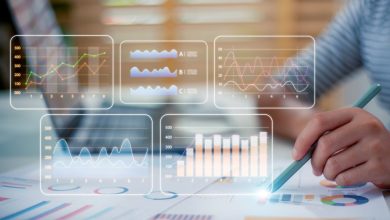

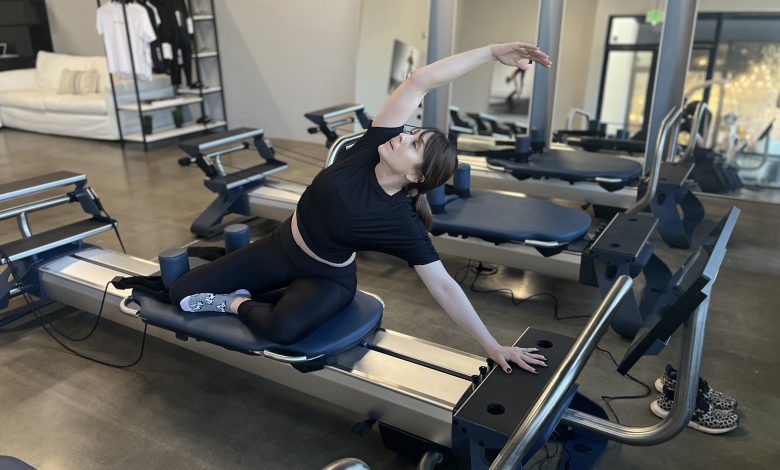
Technology is changing how people train, recover, and understand their bodies. Even in a discipline known for mindful movement and controlled pacing, digital tools are quietly reshaping the experience. In Singapore, where people are highly tech aware and time conscious, smart tools are increasingly being explored alongside pilates reformer training to improve form, consistency, and long term progress.
This does not mean turning reformer Pilates into a numbers obsessed workout. Instead, technology can act as a support layer, offering insight into movement quality, effort, and recovery, especially for people who want to train smarter rather than simply harder.
Why technology is entering reformer based training
Reformer Pilates already provides built in feedback through springs, carriage movement, and instructor cues. However, many people still struggle to feel subtle differences in alignment, breathing, or load distribution. Technology helps bridge this gap by making invisible patterns more visible.
Common reasons people are interested in tech supported reformer training include:
-
Wanting clearer feedback on posture and alignment
-
Tracking consistency across weeks or months
-
Understanding effort levels during controlled movement
-
Supporting recovery and fatigue management
-
Reducing injury risk through better awareness
Technology does not replace instruction or body awareness, but it can reinforce learning and confidence.
Wearables and reformer Pilates, what they actually measure
Wearables are often associated with steps, calories, or heart rate during cardio workouts. While reformer Pilates is not traditional cardio, wearables can still provide useful data when interpreted correctly.
Common wearable metrics relevant to reformer sessions
Most wearables can track:
-
Heart rate trends rather than peaks
-
Time under moderate effort
-
Breathing rate changes
-
Overall session duration and consistency
-
Recovery indicators like resting heart rate or sleep quality
During reformer sessions, heart rate usually stays moderate, but fluctuations can indicate how demanding certain sequences are for your body.
How to use wearable data without overthinking
The goal is not to chase high numbers. Instead, look for patterns such as:
-
Are sessions feeling easier over time at similar heart rate levels
-
Does recovery improve when training is consistent
-
Are you overtraining by stacking too many intense sessions
Used this way, wearables support balance rather than pressure.
Motion sensors and form feedback tools
Beyond wrist based wearables, motion tracking tools are becoming more sophisticated. Some systems use small sensors or camera based analysis to observe joint angles, symmetry, and movement paths.
While not yet standard in most studios, these tools can help highlight:
-
Side to side imbalances during leg work
-
Changes in spinal position during core exercises
-
Range of motion differences across sessions
-
Control of the carriage during slow movements
For reformer Pilates, where precision matters, this type of feedback can be particularly valuable for intermediate and advanced practitioners.
Cameras and visual feedback in controlled movement
Video feedback is one of the simplest but most effective tech tools. Seeing your own movement often reveals habits you cannot feel.
In reformer training, video review can help with:
-
Pelvic stability during footwork
-
Ribcage control during arm work
-
Shoulder positioning during pulling exercises
-
Head and neck alignment during spinal movements
When used occasionally, visual feedback can accelerate learning without creating self consciousness.
Resistance tracking and smart reformer concepts
Some newer reformer designs and attachments explore the idea of tracking spring resistance, repetitions, and tempo. While traditional reformers rely on manual adjustment, smart concepts aim to quantify load more precisely.
Potential benefits of resistance tracking include:
-
Understanding how load changes across exercises
-
Comparing perceived effort with actual resistance
-
Supporting progressive overload in a controlled way
-
Helping instructors plan structured progressions
However, many practitioners still value the simplicity of traditional springs. Technology in this area works best when it supports teaching rather than complicating it.
Breathing awareness and biofeedback
Breathing is central to Pilates, but it is also one of the hardest things to maintain under effort. Biofeedback tools that monitor breathing patterns or chest expansion can help practitioners become more aware of how they breathe during movement.
Benefits of breathing feedback include:
-
Reducing breath holding during challenging sequences
-
Improving coordination between breath and effort
-
Supporting pelvic floor and core control
-
Managing stress response during training
For people who tend to tense up, this type of feedback can be transformative.
Data and consistency, the biggest advantage of tech
The most powerful benefit of technology is not precision, it is consistency. Many people train sporadically and then wonder why progress feels slow. Simple tracking tools help highlight patterns over time.
Technology can support consistency by:
-
Showing how often you actually train
-
Reinforcing routine through reminders or logs
-
Highlighting gaps caused by work or travel
-
Encouraging realistic scheduling rather than extremes
Consistency is what creates results in reformer training, and tech can quietly support that habit.
Privacy and comfort in boutique studio settings
As technology enters movement spaces, privacy becomes an important consideration. Not everyone wants their data tracked or movements recorded.
Good studio practice respects this by:
-
Offering tech tools as optional, not mandatory
-
Explaining clearly what data is collected and why
-
Allowing clients to opt out without pressure
-
Focusing on education rather than surveillance
Technology should empower, not intimidate.
The role of instructors in a tech supported environment
Even the best tools cannot replace skilled instruction. Technology works best when instructors help interpret data and connect it to real movement goals.
A knowledgeable instructor can:
-
Explain what metrics matter and which do not
-
Relate data to alignment and technique cues
-
Prevent over reliance on numbers
-
Keep sessions human focused rather than screen focused
In this way, technology enhances teaching instead of distracting from it.
How technology fits into mindful reformer practice
One concern people raise is whether technology distracts from mindfulness. This depends on how it is used.
When integrated thoughtfully, tech can:
-
Increase awareness rather than pull attention outward
-
Support learning between sessions
-
Reinforce good habits without constant checking
-
Fade into the background once patterns improve
The aim is not constant monitoring, but occasional insight.
Choosing a balanced training environment
Not all studios approach technology the same way. Some focus heavily on data, while others keep things simple. A balanced environment respects both precision and presence.
For those who value structured learning alongside mindful movement, Yoga Edition offers reformer sessions that prioritise body awareness, clear instruction, and progressive development. In such settings, technology can complement training without overshadowing the human element.
The future of reformer Pilates and smart tools
As technology evolves, reformer training may see more integration of subtle, supportive tools rather than dramatic changes. Likely developments include:
-
Improved wearable accuracy for low impact training
-
Better motion analysis using simple camera systems
-
Smarter scheduling and recovery insights
-
Education focused dashboards rather than performance rankings
The future points toward smarter training, not louder training.
Common mistakes when using tech with reformer Pilates
Technology can be helpful, but misuse can create problems.
Common mistakes include:
-
Comparing reformer sessions to high intensity workouts
-
Chasing calorie burn rather than movement quality
-
Over analysing small data fluctuations
-
Letting numbers override body signals
Awareness should always come before metrics.
Practical tips for using technology wisely
If you choose to use tech alongside reformer Pilates, keep it simple.
Helpful guidelines include:
-
Track trends, not single sessions
-
Focus on consistency over intensity
-
Use feedback occasionally, not constantly
-
Prioritise how you feel and move
Technology should support your practice, not control it.
FAQ
Q: Can wearables accurately track calories during reformer Pilates?
A: Calorie estimates during low impact training are often rough. Wearables are better used to track trends and consistency rather than exact energy expenditure.
Q: Do I need special equipment to benefit from smart reformer training?
A: No. Many benefits come from simple tools like basic wearables or occasional video feedback. Advanced systems are optional, not essential.
Q: Will technology distract me from focusing on my body?
A: It can if overused. When used occasionally and intentionally, technology often increases awareness rather than reducing it.
Q: Is heart rate useful during reformer Pilates?
A: Heart rate can show relative effort and recovery patterns, but it should not be treated like cardio training metrics.
Q: Are smart reformers better than traditional ones?
A: Not necessarily. Traditional reformers already provide excellent feedback. Smart features can add insight but do not replace good instruction.
Q: How often should I review data from my reformer sessions?
A: Reviewing trends weekly or monthly is usually enough. Constant checking can create unnecessary pressure and distract from movement quality.